
Storms can show up out of nowhere and leave behind a mess—damaged roofs, broken windows, flooded basements, and more. Whether you’re a homeowner, property manager, or developer, dealing with the aftermath can be overwhelming. It’s totally natural to want to fix everything as fast as possible, but rushing into repairs without a clear plan can cause more problems (and expenses) down the line. Understanding storm damage home repair is essential for effective recovery.
That’s why making smart choices early on matters. Avoiding a few common mistakes can save you time, money, and a lot of stress. For perspective, wind and hail damage alone make up nearly 40% of all homeowners insurance claims, according to the Insurance Information Institute. Knowing how to navigate storm damage home repair in Omaha can significantly impact your experience.
In this guide, we’ll walk you through seven mistakes people often make after a storm—and how to avoid them. Whether you’re trying to get your family back under a safe roof or restoring a property you manage, these tips will help you handle post-storm repairs the smart way.
Understanding the nuances of storm damage home repair will equip you with the knowledge needed to tackle repairs efficiently.

1. Skipping a Storm Damage Checklist Can Lead to Bigger Problems
After a storm, one of the easiest mistakes to make is jumping into repairs without using a proper storm damage checklist. It might seem like an extra step, but having a checklist is a smart, organized way to make sure nothing gets missed. Storms can cause damage in places you might not think to check like roof damage, basement walls, or hidden electrical systems.
Understanding the importance of storm damage home repair can make a significant difference in the outcome of your repairs.
A good checklist walks you through your entire property, helping you inspect everything from top to bottom. For homeowners, that means checking the roof, gutters, windows, doors, and even landscaping. If you own or manage a larger property, you’ll want to include things like HVAC systems, multiple units, and any outbuildings or site equipment.
Here are a few important areas your checklist should cover:
- Roof and gutters
- Windows, doors, and siding
- Foundation and basement
- Plumbing, HVAC, and electrical systems
- Outdoor areas like drainage and fences
Having a written checklist helps you spot minor damage early—before it turns into a major (and expensive) repair. You can even create a printable version to keep handy just in case. It’s a small step that can make a big difference when it comes to protecting your home or property after a storm.
2. Putting Off Storm Repairs Can End Up Costing You More
One of the most common and expensive mistakes homeowners make after a storm is waiting too long to make repairs. Even if the damage looks minor, delaying action can make things worse—and more costly. Small problems like a missing shingle or cracked siding can quickly turn into leaks, mold, or structural damage if left untreated.
Another reason not to wait? Insurance companies usually have strict deadlines for filing claims. If you don’t report the damage quickly, you could miss out on coverage altogether. Acting fast not only protects your home—it also protects your wallet.
Here’s what to do right away:
- Take photos and videos: Document all damage, big or small. Include wide shots for context and close-ups for detail.
- Call your insurance company: Report the damage ASAP and provide your documentation. Ask what else they need from you to process your claim.
- Keep good records: Write down who you spoke with, when, and what they said. Save emails, claim numbers, and any paperwork.
- Follow up regularly: Don’t assume everything’s moving forward—check in often to make sure your claim is being processed.
Delaying exterior siding repairs and other damage can lead to bigger bills and more stress later. Get started early to stay ahead of the damage and keep your insurance claim on track.
3. Overlooking Hidden Damage and Safety Hazards
Not all storm damage is immediately visible. Overlooking hidden issues can lead to costly repairs and serious safety risks.
Common hidden damages:
- Roof leaks and structural weaknesses
- Foundation cracks
- Electrical system damage
- Mold and mildew growth
Safety first:
Before checking out a storm-damaged property, make sure it’s safe to enter. Look around for dangers like fallen power lines, gas leaks, or unstable walls and roofs. If anything seems risky, don’t take chances—call in professionals to inspect the area first. When it’s safe to go in, wear protective gear like gloves, boots, and a mask. If you think there’s damage to electrical systems or water lines, turn off the utilities right away. It’s also a good idea to hire licensed experts to check for hidden problems, such as structural issues, electrical hazards, or mold growth, so repairs can be done safely and properly. Addressing hidden damage early prevents further deterioration and ensures your property is safe for occupancy.
4. Hiring the First Contractor You Find
After a big storm, “storm chasers” (unreliable contractors who follow severe weather events) often flood affected areas. These companies may do subpar work—or disappear after taking your deposit.
5. Not Knowing What Your Insurance Covers Can Be a Costly Mistake
One of the biggest financial surprises homeowners face after a storm is learning too late what their insurance actually covers. It’s common to assume your policy will handle all the damage until you file a claim and find out certain repairs aren’t included.
Insurance policies vary widely. Some cover wind and hail but not specific types of water damage. Others may reduce coverage if your roof is over a certain age. Many policies also have strict rules about documentation, deadlines, or required inspections. Missing even one of these details can delay or reduce your payout or lead to a denied claim altogether.
Avoid surprises by reviewing your policy before a storm hits. Know what’s covered, what’s not, and what steps you need to take if your home is damaged. If you’re unsure, talk to your insurance agent or a trusted contractor who understands how claims work. A little homework now can save you major headaches and expenses later.
6. Skipping Preventative Measures for Future Storms
Once repairs are complete, it’s tempting to move on and forget about the next storm. However, skipping preventative measures leaves your property vulnerable to future damage.
How to strengthen your property:
– Upgrade roofing materials and install impact-resistant windows
– Improve drainage and landscaping to prevent flooding
– Secure outdoor structures and remove hazardous trees
7. Overlooking Hidden Damage Can Lead to Bigger Problems Later
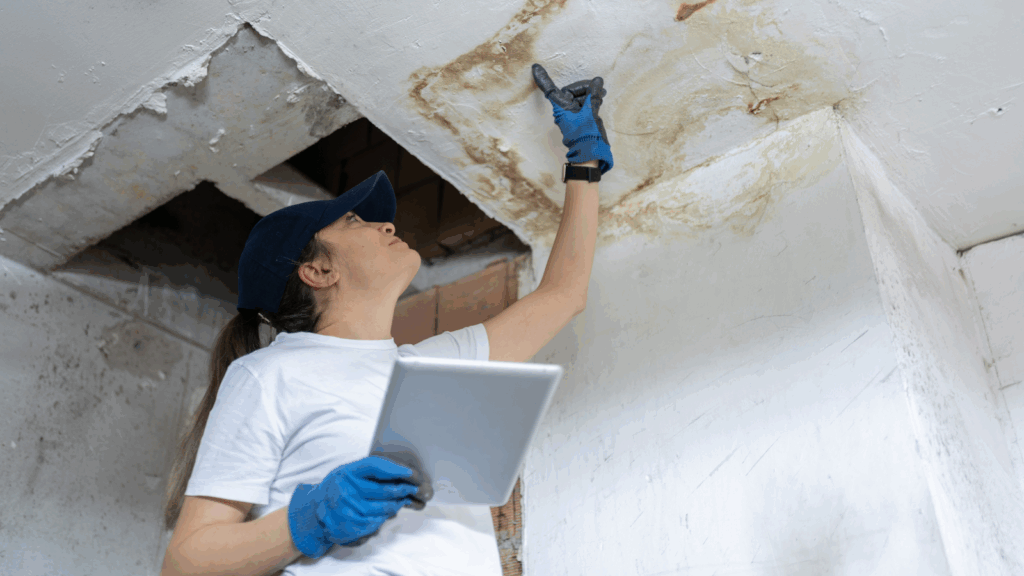
After a storm, it’s easy to focus on the obvious issues like broken windows, missing shingles, or dented gutters. But not all storm damage is visible to the naked eye, and what you don’t see can hurt you in the long run. High winds, heavy rain, and hail can cause hidden structural problems, from compromised roof decking to water-soaked attic insulation or even cracks in your foundation.
These less-visible issues often go unnoticed until they cause serious and expensive—damage. A small roof leak can slowly lead to mold growth or rot in the attic. Slight shifts in your home’s structure could affect doors, windows, or even the safety of your living space over time.
Wrapping Up: Take Smart Steps to Protect Your Home After a Storm
Storm damage can feel overwhelming, but avoiding common missteps makes the recovery process a lot smoother. By staying proactive and getting expert support, you can save time, reduce stress, and prevent minor issues from turning into major repairs.
At ReThink Construction & Claims, we offer free, no-obligation home inspections to assess storm damage thoroughly—from obvious problems like missing shingles to hidden concerns like water leaks or structural weakening. Our licensed team knows exactly what to look for and how to help you move forward.
Need help with an insurance claim? We’ve got that covered too. From documentation to follow-up, we guide you through every step of the process so you’re not navigating it alone.
Protect your home and your peace of mind. Schedule your free inspection with ReThink Construction today, and let us help you recover with confidence.